Ventilation systems scientifically regulate the internal environment. They provide safe and stable storage conditions for grain. This effectively extends grain shelf life. This article explores the diverse applications of silo ventilation systems in different scenarios.
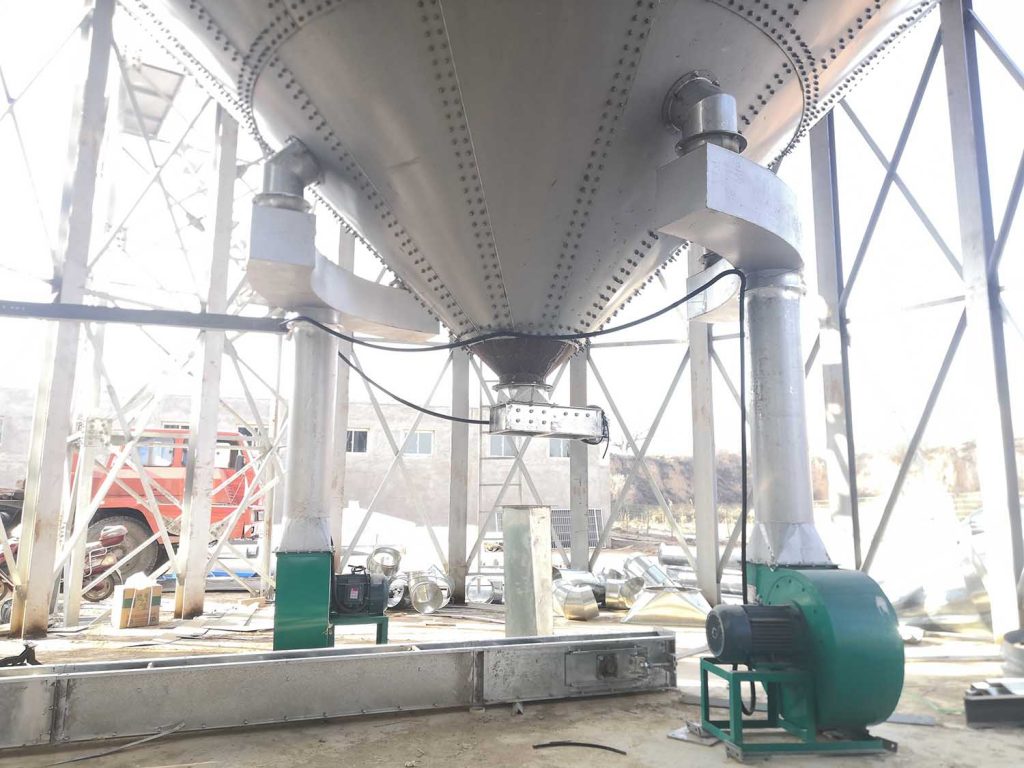
Application in Grain Cooling and Moisture Reduction
Cooling Ventilation
Cooling ventilation is vital during summer heat or right after grain intake. The system introduces cool outside air when external temperatures drop. This replaces hot air inside the silo and lowers the overall grain temperature. For example, operating the system at night in hot seasons quickly reduces grain temperature. It creates a cool storage environment for the grain.
Drying Ventilation
Drying ventilation is crucial for newly harvested high-moisture grain. The system brings in dry air. This absorbs and removes moisture from the grain pile, reducing grain water content. This process is essential to prevent mold and spoilage. For high-moisture corn, use higher airflow and longer ventilation time. This ensures moisture drops effectively to safe storage levels.
Application in Balancing Temperature and Humidity
Equalization Ventilation
Uneven grain piles and internal environmental differences can cause temperature and humidity variations. Proper system operation creates circulating airflow through the grain mass. This balances differences across all parts of the pile. For instance, perform equalization ventilation regularly during spring and autumn. Large temperature and humidity changes occur in these seasons. This stabilizes the internal environment and reduces grain loss.
Seasonal Regulation
In winter, the system aims to prevent condensation and maintain proper temperature. Outside temperatures are very low then. Control airflow volume and ventilation time carefully. Avoid excessively low grain temperatures that harm quality.
During rainy seasons, the system must prevent outside moisture from entering. This increases humidity inside the silo. Check weather forecasts and actual internal conditions. Choose ventilation timing wisely. Keep humidity inside the silo within a safe range.
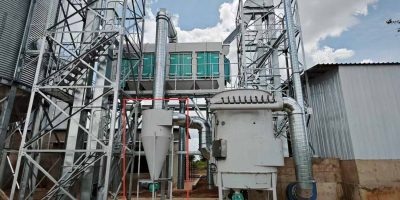
Choosing the right supplier is crucial for equipment quality, performance,…
Choosing the right cyclone dust collector reduces dust concentration effectively.…


 WeChat:+8613598071775