Cyclone dust collectors may encounter some common faults during operation. Understanding these faults deeply helps locate problems quickly. It also ensures efficient equipment operation.
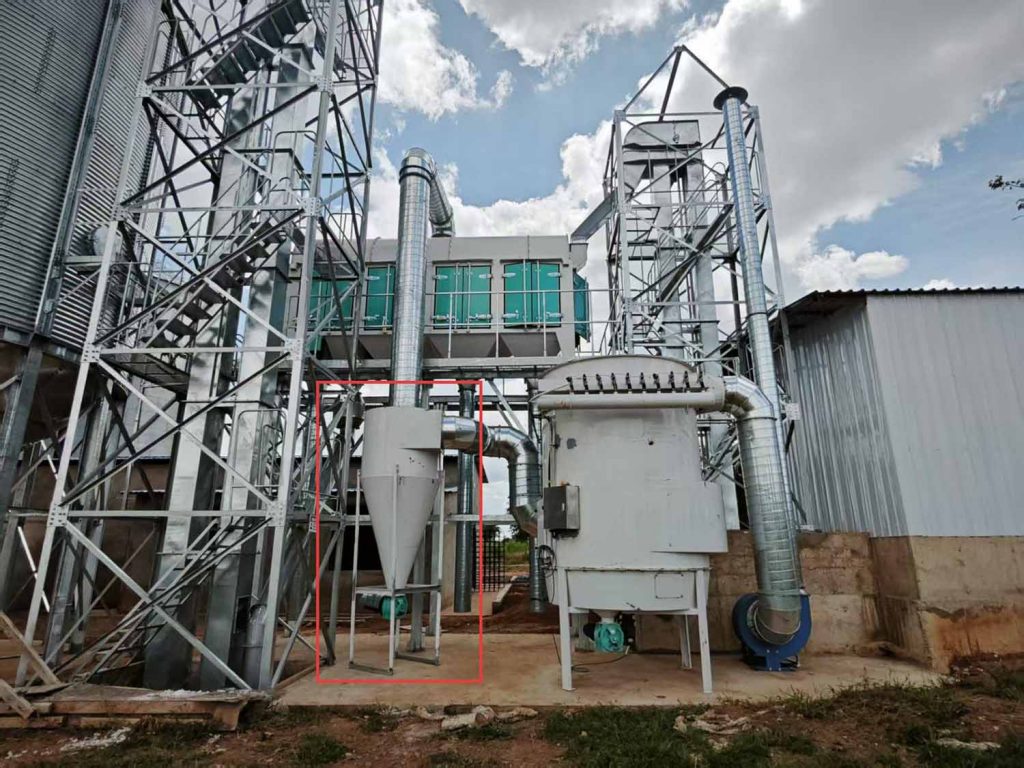
Common Faults
Air Leakage
Air leakage usually occurs at connection points. These include inlet pipes, outlet pipes, and dust hoppers. It also happens at component flange connections. Leakage reduces dust removal efficiency. It may also cause dust leakage and affect the working environment.
Dust Blockage
Dust accumulates inside the equipment. This may block airflow channels and lower operating efficiency. Blockage often occurs in the hopper, cone, and inlet pipe. Causes include untimely internal dust cleaning. Unreasonable airflow path design also leads to dust deposition.
Equipment Wear
Wear concentrates on key contact areas. These include inlet pipes, cylinders, and cones. These parts contact dusty gas directly. They suffer impact and abrasion from dust particles. Wear may reduce equipment efficiency. It can even cause air leakage. Causes include high particle hardness and excessive airflow speed. Low-wear-resistant materials also contribute.
Motor Failure
Motor failure may show as overheating or abnormal vibration. Starting difficulty or motor burnout also indicates failure. Causes include motor overload and unstable power voltage. Aging motor insulation or damaged bearings also lead to failure.
Control System FaultsMany collectors now equip control systems with automation advances. These monitor and adjust equipment operation. Faults may show abnormal control panel displays. Equipment may fail to start or stop automatically. Causes include damaged electrical components. Sensor failure or control program errors also contribute.
Choosing the right supplier is crucial for equipment quality, performance,…
Choosing the right cyclone dust collector reduces dust concentration effectively.…


 WeChat:+8613598071775