Cyclone dust collectors may encounter common faults during long-term operation. Understanding solutions helps us locate and solve problems quickly.
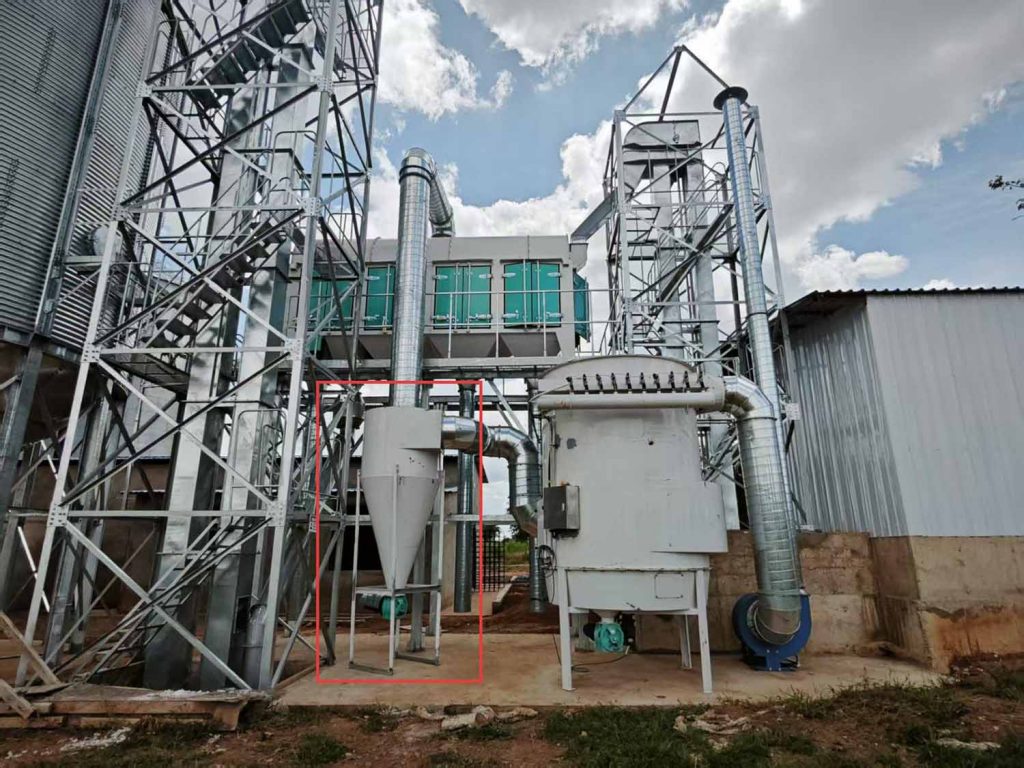
Solutions for Common Faults
Air Leakage
Leakage usually occurs at connection points. These include inlet pipes, outlet pipes, and dust hoppers. Check sealing gaskets for aging or damage. Ensure all connection bolts remain tight. Replace damaged gaskets immediately. Re-tighten any loose bolts promptly. This prevents air leakage effectively.
Dust Blockage
Dust accumulates inside the equipment. This may block airflow channels and reduce efficiency. Solve blockages by cleaning internal dust regularly. Focus especially on the hopper and cone parts. Conduct external checks weekly. Perform internal cleaning monthly. Use proper tools during cleaning. Avoid damaging internal structures.
Equipment Wear
Wear concentrates on inlet pipes, cylinders, and cones. These parts contact dusty gas directly. They suffer impact and abrasion from dust particles. Check wear on these parts regularly. Replace severely worn components promptly. Optimize airflow paths to reduce dust impact. This extends equipment service life effectively.
Motor Failure
Motor failure may show as overheating or abnormal vibration. Starting difficulty or motor burnout also indicates failure. Check motor load conditions. Ensure motors operate under rated loads. Also verify stable power voltage. Check motor insulation for aging. Inspect motor bearings for damage too. Repair or replace damaged parts based on findings.
Control System Faults
Control system faults may show abnormal panel displays. Equipment may fail to start or stop automatically. Check electrical components for damage. Verify sensor functionality. Also review control programs for errors. Repair or replace damaged electrical parts promptly. Recalibrate sensors or update control programs as needed.
Choosing the right supplier is crucial for equipment quality, performance,…
Choosing the right cyclone dust collector reduces dust concentration effectively.…



 WeChat:+8613598071775