Understanding key notes ensures efficient, stable equipment operation. It also extends service life and reduces maintenance costs.
Daily Operation Notes
Pre-Start Inspection
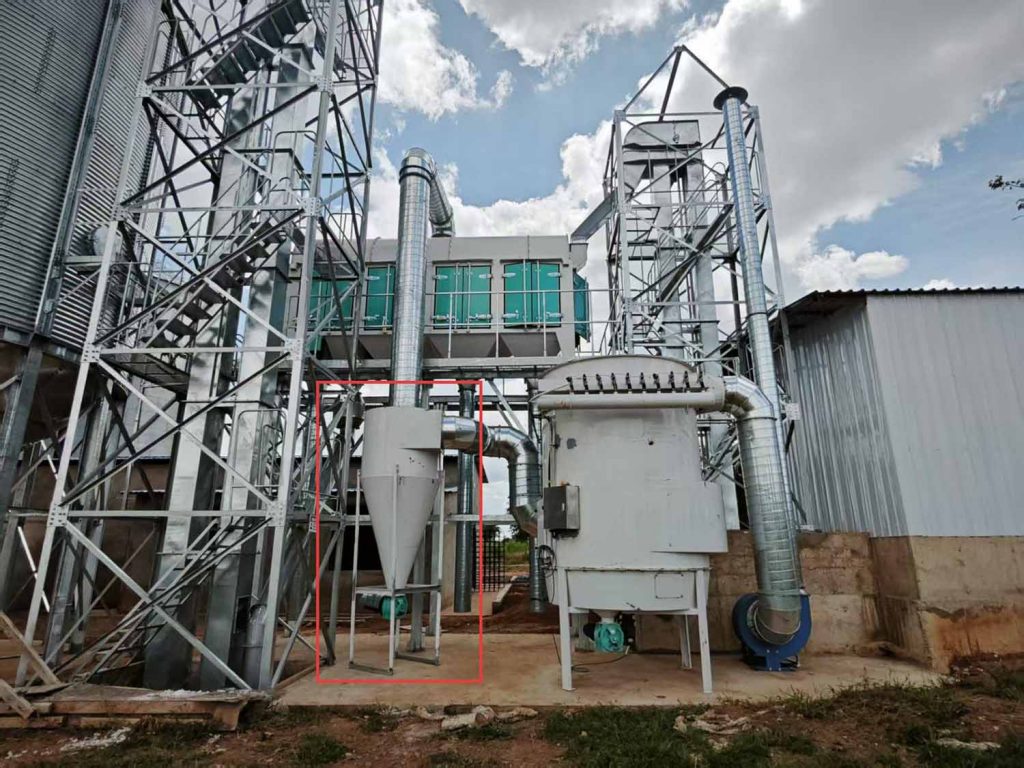
Conduct a full inspection before starting the collector. Check all components for completeness and good condition. These include the cylinder, cone, inlet pipe, outlet pipe, and dust hopper. Ensure all connections are tight and well sealed. No leaks should exist.
Startup Sequence
Follow the correct startup sequence. Start the fan first. Ensure stable airflow before starting the equipment. Avoid feeding dusty gas before startup. This prevents internal dust buildup and maintains removal efficiency.
Operational Notes
Monitor Equipment Status
Monitor equipment status continuously during operation. Watch pressure difference and airflow volume closely. Also observe motor operation. Stop immediately if you notice abnormalities. These include excessive pressure difference or insufficient airflow. Abnormal motor vibration also requires immediate shutdown. This prevents equipment damage.
Avoid Overload Operation
Prevent overload operation at all times. Keep treatment airflow and dust concentration within design ranges. Overload reduces efficiency and increases energy use. It may even damage equipment parts.
Maintenance Notes
Clean Accumulated Dust Regularly
Cleaning internal dust is key to efficient operation. Excessive dust blocks normal airflow and reduces efficiency. Conduct external inspection weekly. Perform internal cleaning monthly.
Check Wear-Prone Parts
Parts like inlet pipes, cylinders, and cones wear easily. Check their condition regularly. Replace severely worn parts promptly. This maintains optimal equipment performance.
Safety and Environmental Notes
Ensure Electrical SafetyCheck the electrical system periodically. Ensure tight power cable connections and good insulation. Prevent electrical short circuits or leakage. Also verify control system functions. Ensure normal startup and operation.
Choosing the right supplier is crucial for equipment quality, performance,…
Choosing the right cyclone dust collector reduces dust concentration effectively.…



 WeChat:+8615290832688