Thorough preparation improves ventilation efficiency. It also extends equipment service life and reduces future maintenance costs. This article details key steps and considerations for preparing the grain silo ventilation system.
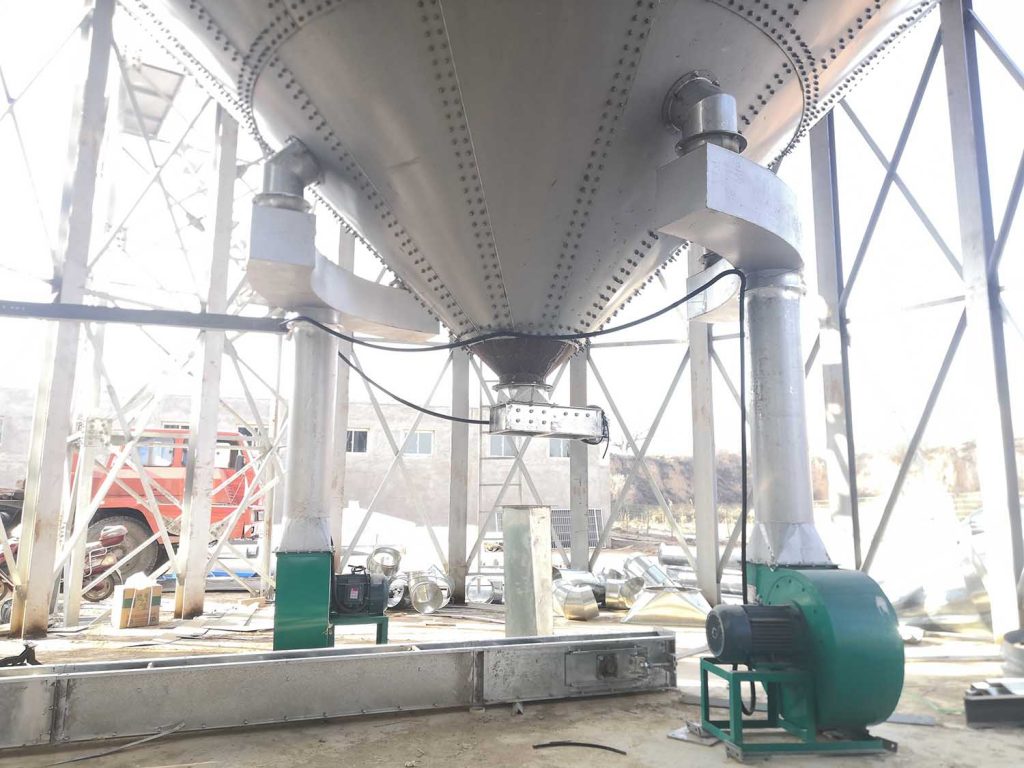
Pre-Operation Environmental and Equipment Check
Environmental Assessment
Check the area around the silo for obstacles. Trees or buildings might affect ventilation. Ensure no debris blocks ventilation openings. Also monitor weather conditions. Avoid starting the system during extreme weather like heavy rain, strong wind, or dust storms. This prevents outside conditions from harming stored grain.
Equipment Inspection
Inspect the fan's exterior for damage or deformation. Check that blades are tight and not overly dusty. Ensure motor wiring is secure with good insulation and no leakage risk. Clean air ducts and check connections for tight seals. Look for blockages or damage. Also examine ventilation covers. Confirm they are intact, open smoothly, and close tightly.
Ventilation System Parameter Setting and Debugging
Parameter Setting
Set system operating parameters based on grain type, moisture content, respiration characteristics, and storage duration. For example, highly respirable grains like freshly harvested corn need higher airflow and pressure. This quickly reduces grain temperature. Low-respiration grains like dry wheat can use lower settings. This saves energy.
System Debugging
Start the fan and observe its operation. Ensure it runs smoothly without unusual noise or vibration. Check that airflow moves freely through ducts. Verify air volume distributes evenly from all vents. For instance, low airflow may mean dusty fan blades or duct blockage. Clean and clear these promptly. Inaccurate temperature or humidity control may signal sensor failure. It could also mean control parameters need recalibration.
Choosing the right supplier is crucial for equipment quality, performance,…
Choosing the right cyclone dust collector reduces dust concentration effectively.…



 WeChat:+8613598071775