Cyclone dust collector are vital for dust control in grain storage and processing. Proper operational preparation ensures these devices run efficiently and stably.
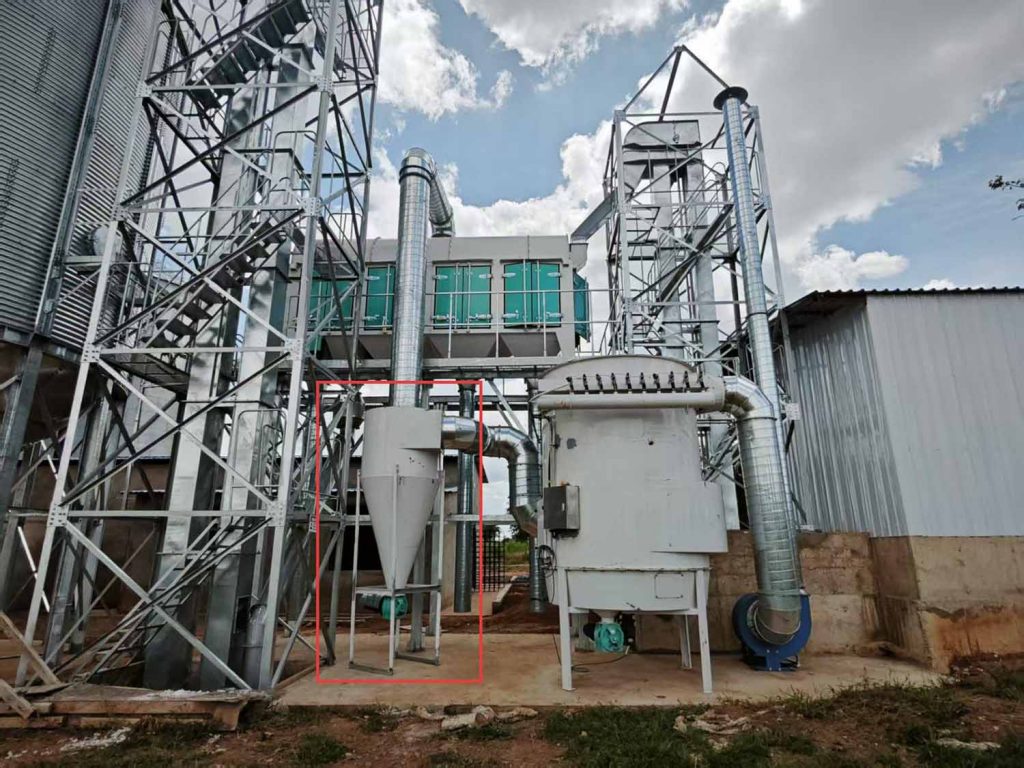
Importance of Operational Preparation
Ensures Normal Equipment Operation
Preparation is key to normal dust collector operation. Detailed pre-start checks identify potential issues early. This prevents operational failures effectively. It increases equipment operating efficiency too. It also reduces production interruptions from malfunctions.
Improves Dust Removal Efficiency
Thorough preparation enables immediate high-efficiency operation. Checking key components and adjusting parameters optimizes performance. This increases dust removal efficiency and reduces emissions. It also improves the working environment.
Operational Preparation Steps
Visual Inspection
Check the equipment housing for damage or corrosion. Ensure structural integrity remains good. Also inspect the air inlet, exhaust outlet, and dust hopper. Clear any blockages or damage promptly.
Key Component Check
Inspect critical cyclone collector parts. These include the inlet pipe, cylinder body, cone, and exhaust pipe. Ensure all connections are secure and sealed properly. Prevent any leakage issues. Pay special attention to the cone and dust hopper. Remove any accumulated dust or blockages. Ensure smooth dust discharge.
Fan Inspection
Check the fan's operating condition. Examine the motor, impeller, and bearings carefully. Ensure the motor runs normally without unusual noise or vibration. Also inspect the impeller for damage or dust buildup. Confirm the fan provides sufficient airflow.
Duct Inspection
Check duct connections for any leakage. Repair or replace damaged sections immediately. Also inspect duct supports and fastening devices. Ensure duct stability and prevent equipment damage from vibration.
Air Intake Adjustment
Adjust the intake valve to match design requirements. Prevent equipment overload or low efficiency. Modify intake volume based on dust concentration changes. This optimizes dust removal effect.
Exhaust Pressure AdjustmentAdjust the exhaust valve for stable pressure. Avoid efficiency loss from excessively high or low pressure. Regularly check exhaust duct resistance too. Clear accumulated dust promptly. Maintain smooth exhaust flow.
Choosing the right supplier is crucial for equipment quality, performance,…
Choosing the right cyclone dust collector reduces dust concentration effectively.…



 WeChat:+8613598071775