There is no single fixed price for a grain silo because every grain storage project is custom-engineered.
The total investment depends on storage capacity, steel specifications, galvanization level, grain type, loading and unloading equipment, automation, installation method, transportation terms, and local construction conditions.
Whether you are planning a 100-ton farm silo or a 10,000-ton commercial grain storage facility, the most accurate way to determine the cost is to request a customized engineering quotation based on your project requirements.
At HKB, every grain silo system is designed according to the customer's actual storage needs, ensuring the best balance between investment cost, operational efficiency, and long-term reliability.
✔ Grain silo prices cannot be standardized.
✔ Storage capacity is only one pricing factor.
✔ Complete systems usually reduce lifecycle costs.
✔ Engineering quality matters more than the lowest quotation.
✔ HKB customizes every project from 100 to 10,000 tons.
For most grain producers, grain processing companies, feed mills, rice mills, cooperatives, agricultural investors, and government storage projects, price is one of the first questions asked during the purchasing process.
However, asking "How much does a grain silo cost?" is similar to asking "How much does a factory cost?"
The answer depends entirely on what you need. For example:
Each answer changes the overall investment. This is why professional grain silo manufacturers do not publish fixed prices online. Instead, experienced suppliers provide customized quotations based on the technical requirements of each project.
Although every project is different, the total investment is generally influenced by several major factors. Understanding these factors helps buyers compare quotations more effectively and avoid unexpected costs later in the project.
Capacity is usually the largest factor affecting the overall investment. A larger silo requires:
HKB manufactures customized grain silos ranging from 100 tons to 10,000 tons, allowing customers to select the most suitable storage solution for their operation.
Not all grain silos are designed for the same application. For example:
Best suited for:
These silos are ideal for large-capacity, long-term storage.
Recommended for:
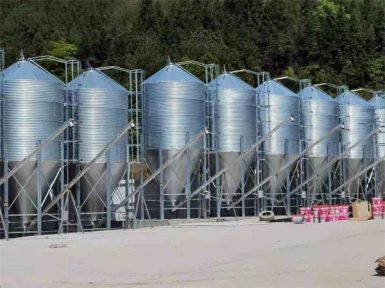
The cone-shaped bottom allows grain to discharge naturally by gravity, making unloading faster and reducing residual grain.
The selected silo type directly affects engineering design, material consumption, and project cost.
Steel quality plays a major role in the service life of a grain silo.
HKB offers cold-galvanized steel with galvanization options ranging from Z275 to Z600, allowing customers to choose the level of corrosion resistance that best matches their climate and operating environment.
Projects located in coastal regions, tropical climates, or high-humidity environments often benefit from higher galvanization specifications to maximize long-term durability.
Selecting the appropriate steel specification helps balance initial investment with lifetime operating costs.
Many first-time buyers believe they only need a grain silo.
In reality, most commercial grain storage projects require a complete handling system to ensure efficient operation.
Depending on the project, a complete solution may include:
Purchasing a complete turnkey solution often provides better system compatibility, simplified project management, and lower long-term maintenance costs compared with sourcing equipment from multiple suppliers.
Price should never be evaluated in isolation.
A lower quotation may seem attractive at first, but differences in steel quality, engineering design, corrosion protection, automation, installation support, and after-sales service can significantly affect the total cost of ownership over the next 20–30 years.
Experienced buyers focus not only on the initial purchase price but also on reliability, operating efficiency, maintenance requirements, and long-term return on investment.
For this reason, HKB works closely with each customer to design a grain storage solution that balances performance, durability, and overall project value instead of simply offering the lowest upfront price.
When evaluating a grain silo project, focusing only on the equipment price can lead to inaccurate budgeting.
Several additional factors should be considered during project planning.
Foundation design varies depending on:
Proper civil construction is essential for long-term structural safety.
Installation costs differ significantly from country to country.
Projects in Africa, Southeast Asia, and South America often benefit from combining local labor with HKB's engineering supervision to achieve an excellent balance between cost and quality.
Many customers initially purchase a single silo but expand within a few years.
Planning for future capacity during the first project can reduce expansion costs later.
HKB designs scalable grain storage systems that make future expansion more efficient without disrupting ongoing operations.
Reducing investment does not necessarily mean choosing the lowest quotation.
Instead, experienced buyers focus on optimizing the entire project.
Practical strategies include:
A well-designed project often delivers a lower total cost of ownership over its lifetime than a project that simply has the lowest initial purchase price.
When evaluating how much a grain silo costs, experienced buyers rarely make decisions based on price alone.
Instead, they ask questions such as:
These questions often determine whether a project succeeds in the long run.
Over the years, HKB has supplied grain storage solutions for customers in more than 40 countries, helping agricultural enterprises, grain processors, feed manufacturers, cooperatives, and government organizations improve grain storage efficiency and reduce post-harvest losses.
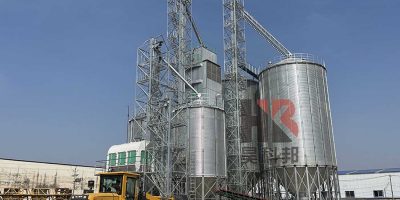
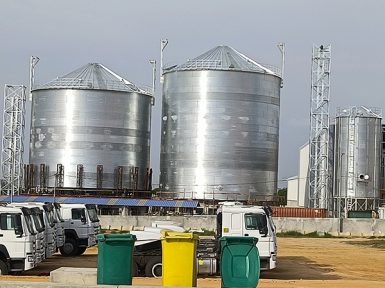
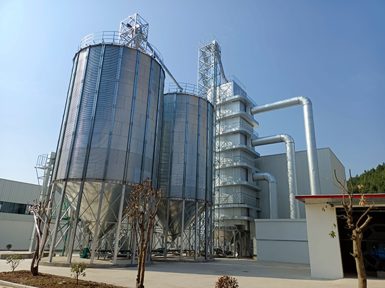
HKB supplied a customized grain storage system including silos, bucket elevators and engineering support.
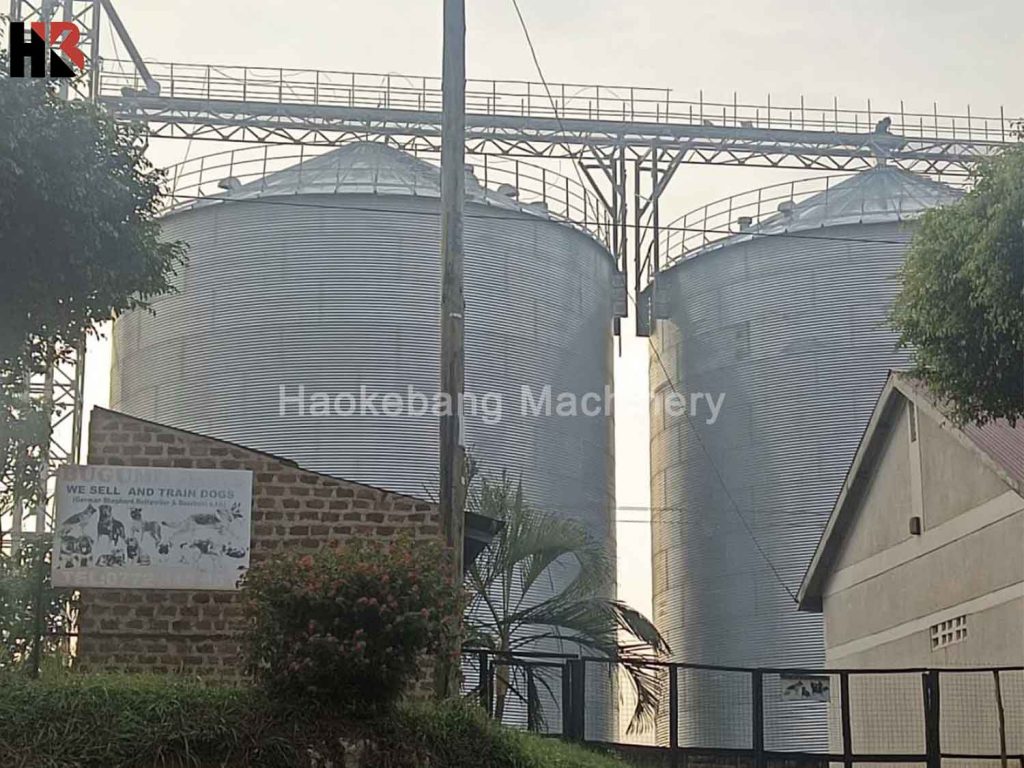
The modular design allows future expansion while improving storage efficiency and reducing grain losses.
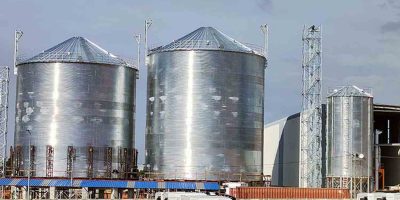
A grain processing customer in Tanzania required more than storage and also needed reliable grain transportation, efficient unloading, and improved operational management.
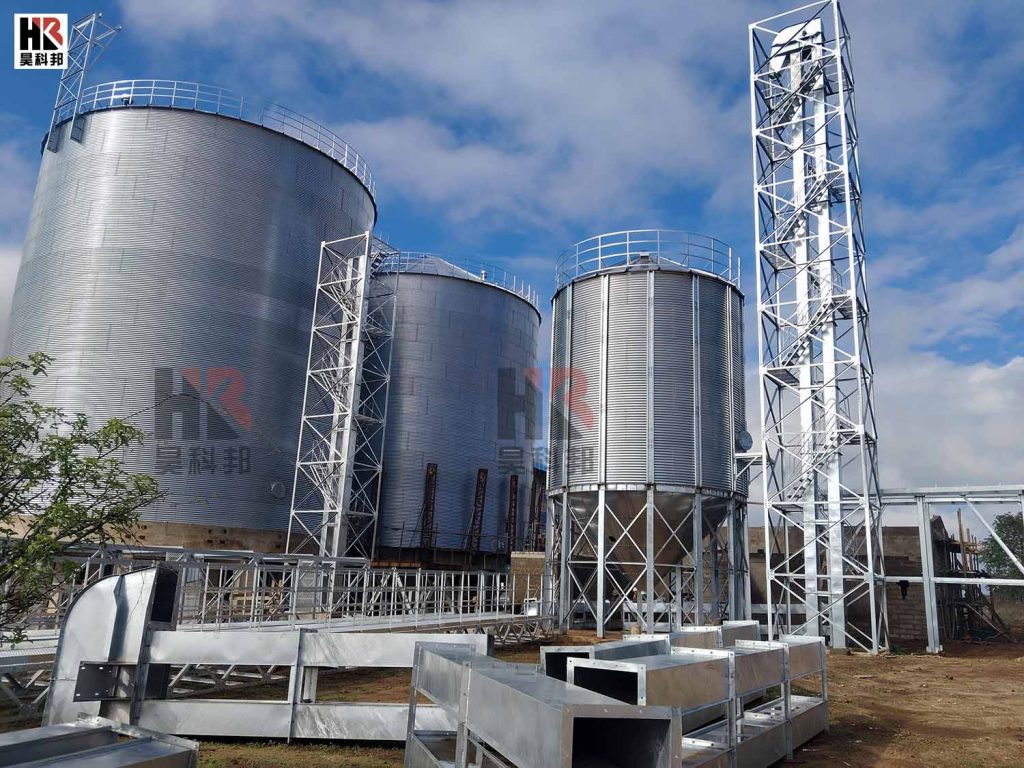
By integrating all equipment into one coordinated solution, HKB reduced installation complexity and improved operational efficiency.
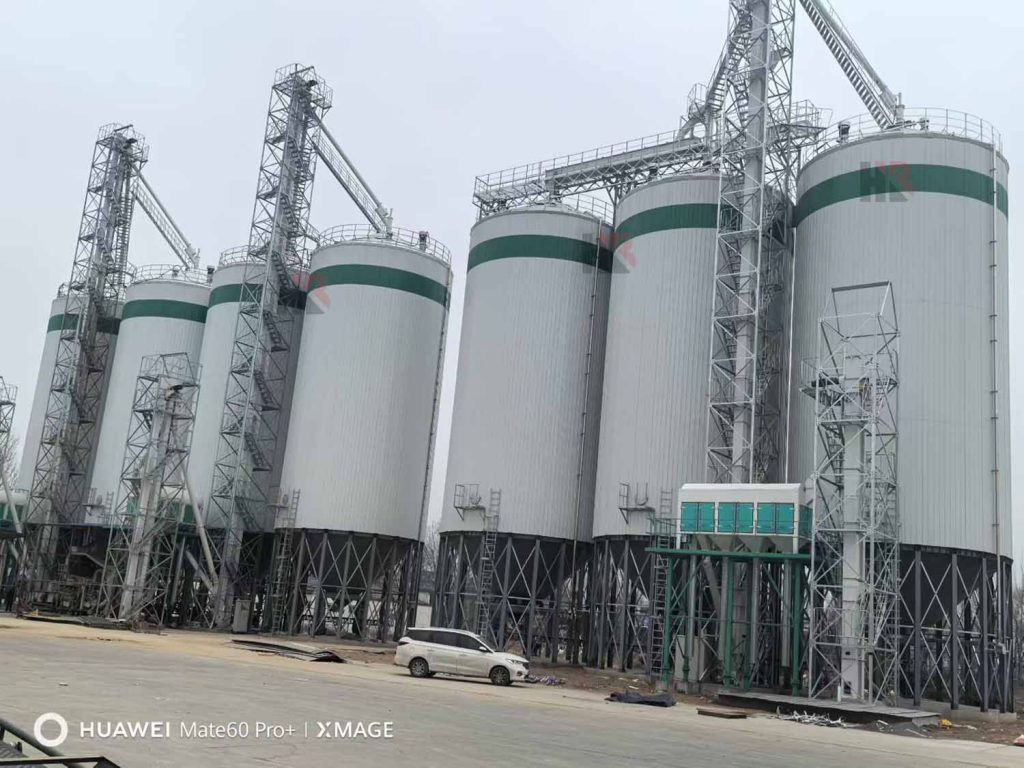
HKB provides a complete solution for one agricultural enterprise in Zambia. This approach reduced project coordination challenges while improving long-term operational reliability.
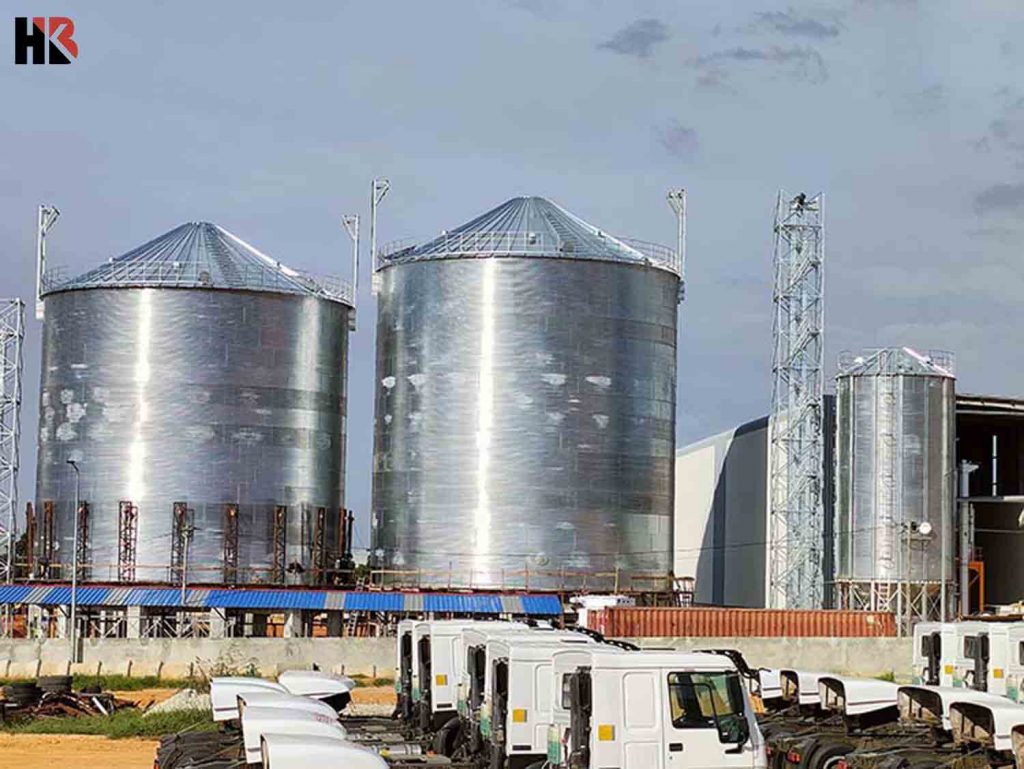
For a customer in Colombia, HKB customized the grain storage system according to local environmental conditions, required storage capacity, material handling process, and future expansion requirements. By adapting the design rather than supplying a standard product, the customer received a storage solution optimized for both current production and future growth.
Price is only one factor when choosing a grain storage solution. Buyers also need a reliable engineering partner capable of delivering customized, efficient, and long-lasting grain storage systems.
With 300+ completed projects in 40+ countries, HKB combines engineering expertise, global installation support, and turnkey project delivery to help customers maximize long-term value.
Many first-time buyers compare quotations based solely on the final price. However, experienced project managers know that the lowest quotation is not always the lowest project cost. Below are some of the most common purchasing mistakes.
Two suppliers may both offer a "1,000-ton silo," but the included equipment can be completely different. One quotation may include:
Another may include only the silo shell. Always compare the complete project scope—not just the storage capacity.
Professional engineering reduces construction risks. Before comparing quotations, confirm whether the supplier provides:
These services can save significant time and cost during construction.
Selecting a lower galvanization level simply to reduce the initial investment may increase maintenance costs over the system's lifetime.
Choosing the appropriate steel specification for local climate conditions is usually the more economical long-term strategy.
Although individual equipment prices may appear lower, sourcing silos, conveyors, dryers, and automation systems from different manufacturers often leads to:
Integrated systems generally provide smoother project execution and easier after-sales support.
✓ Country
✓ Grain
✓ Capacity
✓ Daily throughput
✓ Installation
✓ Trade Term
✓ Expansion Plan
✓ Moisture content
To receive a quotation that truly reflects your project, it is helpful to prepare the following information:
Providing these details enables HKB's engineering team to prepare a more accurate and efficient proposal tailored to your operational needs.
When buyers search online for "How much does a grain silo cost?", they are usually trying to answer a much bigger question:
"Which grain silo supplier offers the best return on my investment?"
A grain silo is not simply a steel structure. It is a long-term infrastructure investment that directly affects grain quality, operational efficiency, maintenance costs, labor requirements, and future business expansion.
Choosing the supplier with the lowest initial quotation may reduce the purchase price today, but it can increase maintenance costs, operational downtime, and repair expenses over the next 20–30 years.
At HKB, we believe that the best grain storage solution is one that provides:
Instead of selling standard products, HKB designs each grain storage system according to the customer's specific requirements.
Whether you require a 100-ton farm silo, a 1,000-ton commercial grain storage facility, or a 10,000-ton turnkey grain storage project, our engineering team works closely with you to deliver a solution that fits your production goals and budget.
Every grain silo is custom engineered. The final price depends on capacity, configuration, steel specification, automation, installation, and shipping requirements. Contact HKB for a customized quotation.
Because every project has different technical requirements, publishing a fixed price would rarely reflect the actual investment required.
Storage capacity, silo type, steel specification, handling equipment, automation level, installation, and transportation all influence the total project cost.
Not necessarily. The best option depends on your storage application, unloading frequency, and long-term operating requirements.
Flat Bottom Silos are generally preferred for large-capacity, long-term commercial storage.
Hopper Bottom Silos are ideal for operations requiring regular loading and unloading.
From 100 tons to 10,000 tons, customized to customer requirements.
Corn, wheat, rice, soybeans, coffee beans, sorghum, seeds, feed, and many other agricultural products.
Yes. Every project is designed according to customer requirements.
Cold-galvanized steel with options from Z275 to Z600.
Yes. We offer complete grain storage solutions from engineering design to commissioning.
Yes, including CAD, 3D layouts, foundation drawings, structural drawings, and electrical drawings.
Yes. We offer remote guidance, engineer supervision, and on-site installation services.
EXW, FOB, and CIF.
Yes. We serve customers in more than 40 countries.
Yes. We have completed projects in Uganda, Tanzania, Zambia, Colombia, and many other countries.
The timeline depends on the project size, manufacturing schedule, shipping, and local construction progress.
Yes. Modular designs allow future expansion in many projects.
Our engineers recommend the appropriate capacity based on your grain type, annual production, and future growth plans.
Project location, grain type, storage capacity, required equipment, installation preference, and shipping terms.
Yes, provided it is cleaned and managed properly between storage cycles.
Choose the appropriate configuration, plan future expansion early, and work with an experienced turnkey supplier to avoid unnecessary redesigns.
Because we provide customized engineering, quality manufacturing, worldwide installation support, and comprehensive after-sales service.
Yes. Technical assistance, spare parts support, maintenance guidance, and engineering consultation are available after project completion.
Simply send your project requirements to HKB. Our engineering team will prepare a customized solution and detailed quotation based on your specific needs.
The service life depends on environmental conditions, galvanization level (Z275–Z600), maintenance, and operating practices. With proper design and maintenance, galvanized steel grain silos can provide reliable long-term service.
Whether you need a standalone grain silo or a complete turnkey grain storage system, HKB's engineering team can design a solution tailored to your grain type, capacity, local conditions, and future expansion plans.
Contact HKB today for a free engineering consultation and customized quotation.
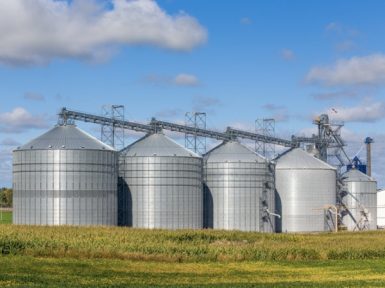
An agricultural silo is a specialized grain storage structure used…


 WeChat:+8613598071775