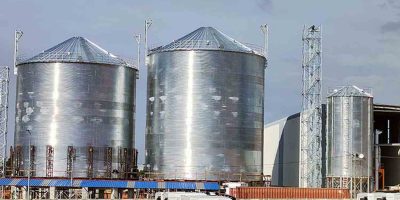
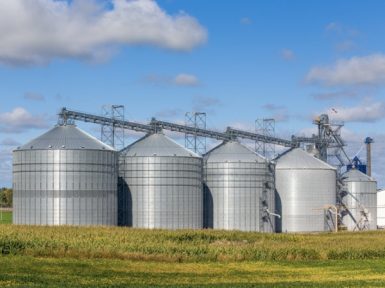
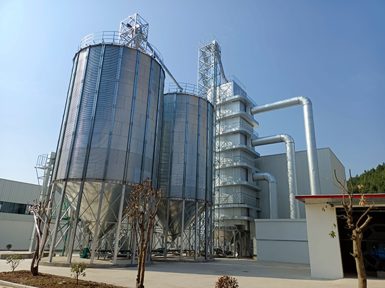
An agricultural silo is a specialized grain storage structure used to preserve harvested crops such as wheat, corn, rice, soybean, coffee beans, and sorghum by controlling moisture, temperature, and ventilation.
Unlike traditional warehouses, modern grain silos integrate storage, aeration, temperature monitoring, and grain handling systems, making them essential solutions for grain processors, traders, feed mills, and government grain reserve projects.
Agricultural silos are widely used by:
For businesses handling thousands of tons of grain annually, a professional silo system is more than a storage facility. It provides a complete solution for grain preservation, inventory management, and future expansion. Today, professional grain storage manufacturers such as HKB provide complete silo solutions including silo design, grain dryers, conveyors, automation systems, and EPC installation support.
After harvesting, grains can be affected by moisture, mold, insects, temperature changes, and contamination. A properly designed grain silo creates a controlled storage environment to maintain grain quality and extend storage life.
Agricultural silos can store wheat, corn, rice, soybean, sorghum, coffee beans and other bulk crops.
Modern grain silos protect stored crops through:
These functions are especially important in tropical regions such as Africa, Southeast Asia, and Latin America, where high humidity and temperature can create additional grain storage challenges.
A complete grain silo system can integrate:
These systems automate grain receiving, drying, storage, and distribution, improving operational efficiency for commercial grain businesses.
Agricultural silos are essential for modern farming and grain businesses because they provide a controlled environment to protect harvested crops and maintain grain quality.
The main benefits of agricultural silos include:
Without proper storage, grain can suffer from moisture damage, mold growth, insect infestation, and quality degradation.
A professional silo system helps protect grain by controlling moisture, temperature, and ventilation.
For grain processors, traders, and large farms, silos provide reliable storage capacity and improve supply chain efficiency.
They help businesses maintain stable inventory, ensure continuous production, and manage seasonal market changes.
Governments and agricultural organizations use large-scale silo systems for strategic grain reserves.
Modern grain storage infrastructure helps manage seasonal production fluctuations and maintain stable food supplies.
1. Receiving and Cleaning: Grain is cleaned and checked before storage.
2. Drying: High-moisture grain is dried before entering the silo.
3. Loading: Conveying equipment transfers grain into the silo.
4. Storage: Aeration and temperature monitoring maintain grain quality.
5. Discharge: Stored grain is discharged for processing or distribution.
Needs:
Recommend: Flat bottom silo + conveyor + dryer
Needs:
Recommend: Multiple silos system
Needs:
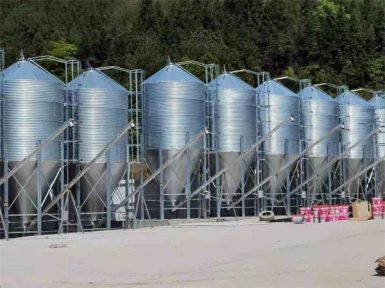
Recommend: Hopper bottom silo
Needs:
Recommend: Large capacity silo complexes
| Project Scale | Recommended Capacity |
| Small farms | 50-500 tons |
| Feed mills | 100-2000 tons |
| Grain traders | 1000-5000 tons |
| Grain processing plants | 5000-20000+ tons |
| Government reserves | 10000+ tons |
Agricultural silos are designed according to storage capacity, grain type, discharge requirements, and project applications.
The most common types include
| Type | Capacity | Best For |
| Flat Bottom Silo | 500-20000 tons | Grain terminals, processors |
| Hopper Bottom Silo | 50-2000 tons | Feed mills |
| Feed Silo | 5-30 tons | Farms |
Agricultural silos can be designed for different crops, including:
| Crop | Common Applications | Key Storage Requirements |
| Wheat | Flour mills, grain traders, government reserves | Moisture control, aeration, temperature monitoring |
| Corn / Maize | Feed mills, livestock companies, ethanol plants | Drying, moisture management, automated handling |
| Rice / Paddy | Rice processing plants | Careful moisture and temperature control |
| Soybean | Oil processing, food and feed industries | High-capacity storage, monitoring systems |
| Coffee Bean | Coffee exporters and processors | Clean storage environment, stable moisture conditions |
| Sorghum | Food and animal feed industries | Moisture protection and long-term storage |
| Comparison | Grain Silo | Traditional Warehouse |
| Storage efficiency | High vertical storage | Requires large land area |
| Grain protection | Excellent moisture and temperature control | More affected by environment |
| Automation | Easy integration | Limited |
| Grain handling | Fully mechanized | More manual operation |
| Storage losses | Lower | Higher risk |
| Long-term storage | Suitable | Less efficient |
| Expansion | Easy to add additional silos | Requires more construction |
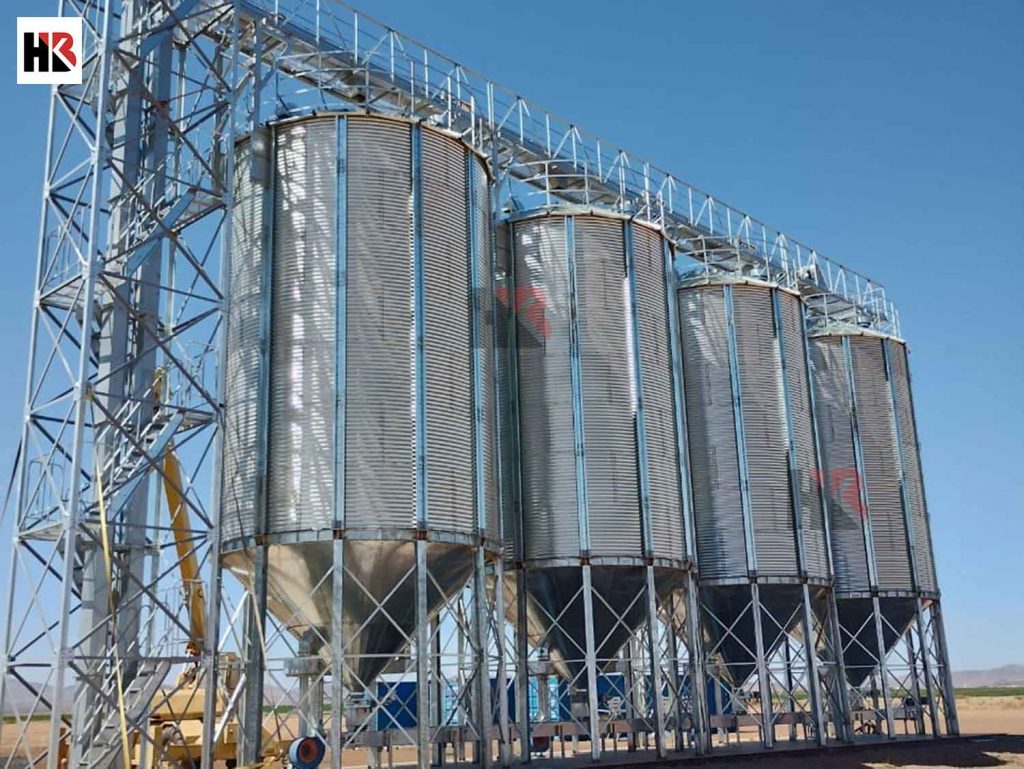
The silo body is typically made from galvanized corrugated steel sheets, providing corrosion resistance, durability, and reliable structural performance.
The aeration system controls grain temperature and moisture by circulating air through stored grain, helping maintain stable storage conditions.
Temperature sensors allow operators to monitor grain conditions, detect potential problems early, and reduce storage risks.
Conveying equipment connects grain receiving, cleaning, drying, storage, and processing areas to improve loading and unloading efficiency.
The cost of an agricultural silo depends on several factors, including storage capacity, silo type, equipment configuration, and project requirements.
The main factors affecting silo cost include:
Larger storage capacity requires more materials, structural design, and supporting equipment. Different silo types also have different costs:
A small agricultural silo project may require a lower investment, while a complete 5,000-ton or 10,000-ton grain storage system requires additional equipment such as dryers, conveyors, cleaners, and automation systems.
The total investment may include:
Project factors such as transportation, climate conditions, local construction requirements, and installation needs can also affect the final cost.
Therefore, professional suppliers usually provide customized quotations based on grain type, storage capacity, system configuration, and project goals.
Choosing the right agricultural silo requires considering storage requirements, grain type, climate conditions, and future expansion plans.
The required silo capacity depends on:
· Annual grain production
· Purchasing volume
· Processing requirements
· Future expansion plans
A professional design should consider both current storage needs and long-term business growth.
Different users require different storage solutions:
| User Type | Recommended Solution |
| Grain Processing Companies | Large flat bottom silos with complete handling systems |
| Grain Traders | Multiple silos with flexible loading and unloading |
| Feed Mills | Hopper bottom silos and feed storage systems |
| Government Grain Reserves | Large-capacity silo complexes for long-term storage |
Climate affects grain storage performance.
· Tropical areas require effective aeration systems.
· High-humidity regions require better moisture management.
· Different climates require customized silo designs.
A reliable silo supplier should provide:
· Engineering design
· Manufacturing quality
· Project experience
· Installation support
· After-sales service
A reliable supplier should provide:
✓ Engineering design
✓ Storage calculation
✓ Foundation drawing
✓ Installation support
✓ After-sales service
✓ Spare parts supply
Choosing a grain silo supplier requires more than purchasing storage equipment. A successful project depends on professional engineering, reliable manufacturing, complete system integration, and technical support.
HKB (Haokebang Machinery) is a professional grain storage equipment manufacturer from China, providing:
HKB offers customized solutions based on crop type, storage capacity, climate conditions, and project requirements, including:
With professional engineering capabilities, HKB provides:
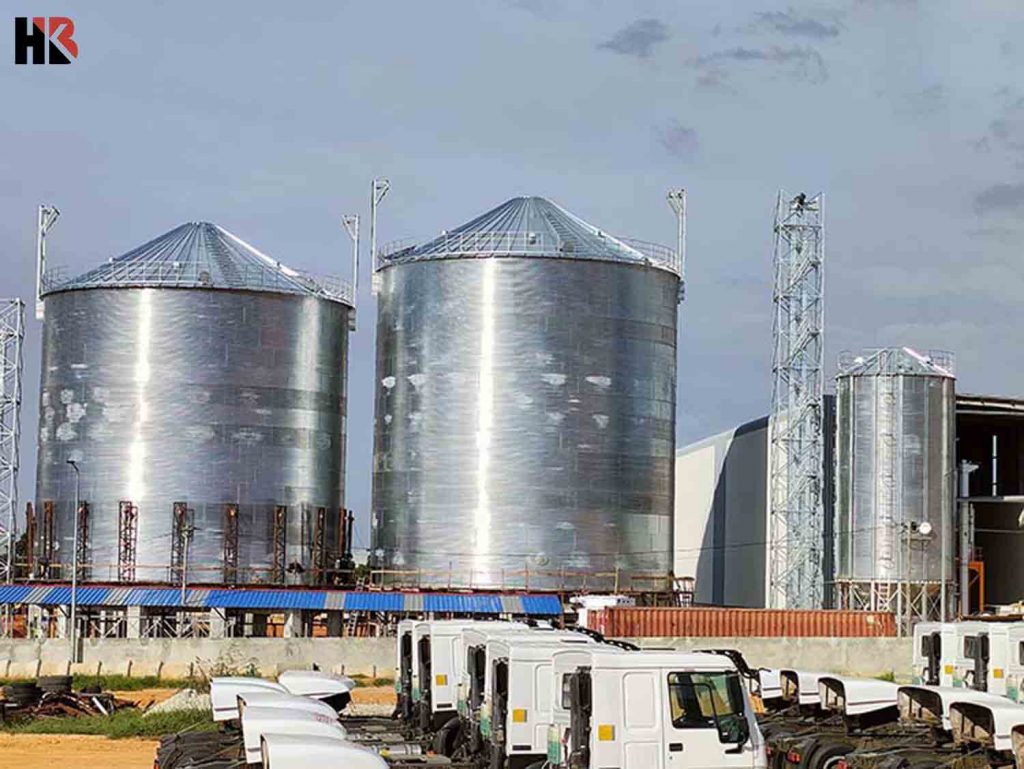
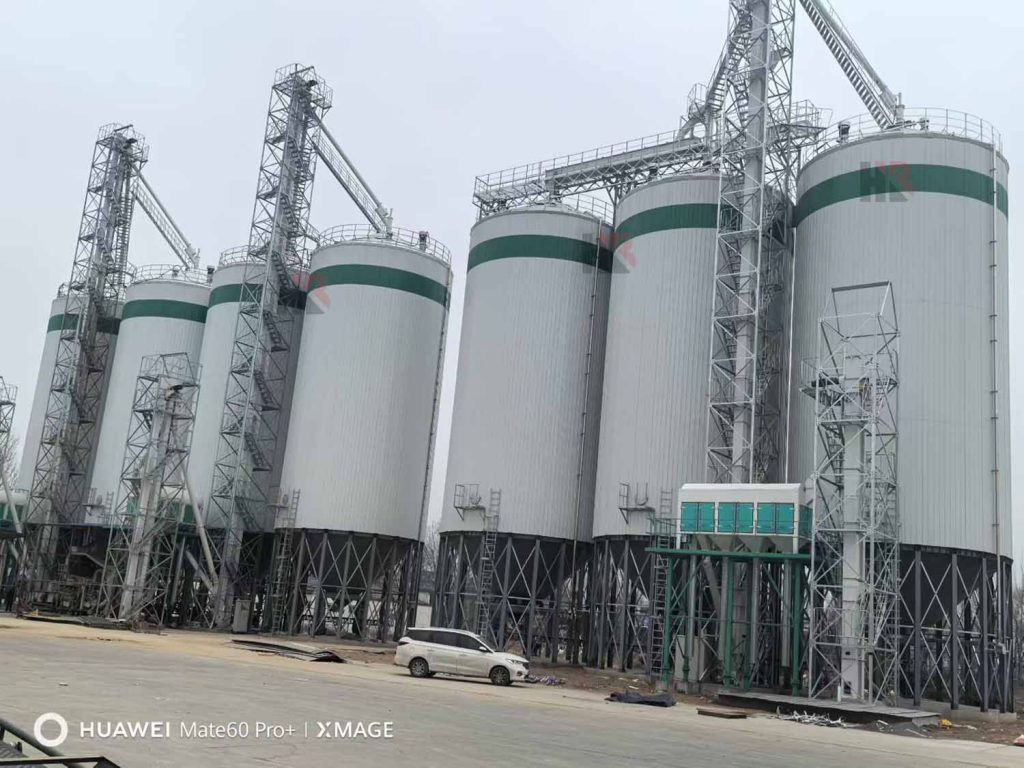
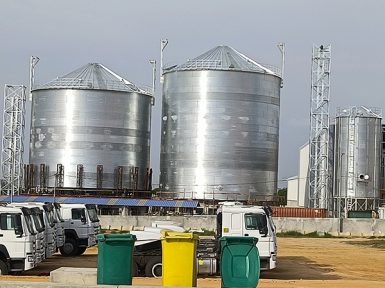
HKB has completed 300+ grain storage projects in over 40 countries, serving customers across Africa, Latin America, Southeast Asia, and Central Asia, including projects in Uganda, Tanzania, Zambia, and Colombia.
A grain silo is used for storing bulk crops such as wheat, corn, rice, soybean, and other grains while maintaining quality through temperature and moisture control.
Storage time depends on crop type, moisture level, temperature control, and silo management.
The required capacity depends on annual production, purchasing volume, processing needs, and future expansion.
The cost depends on silo type, equipment configuration, automation level, and installation requirements.
If you are planning a grain storage project and need a customized solution, HKB can help.
Our team can provide:
✅ Grain silo design based on your crop and capacity requirements
✅ Complete grain storage system planning
✅ Grain dryer selection
✅ Engineering drawings
✅ Installation guidance
✅ Project consultation
Whether you need a 500-ton grain silo, 5,000-ton storage system, or a complete grain processing facility, HKB can provide a professional solution.Contact HKB today to discuss your agricultural grain storage project and get a customized proposal.
An agricultural silo is a specialized grain storage structure used…


 WeChat:+8613598071775